



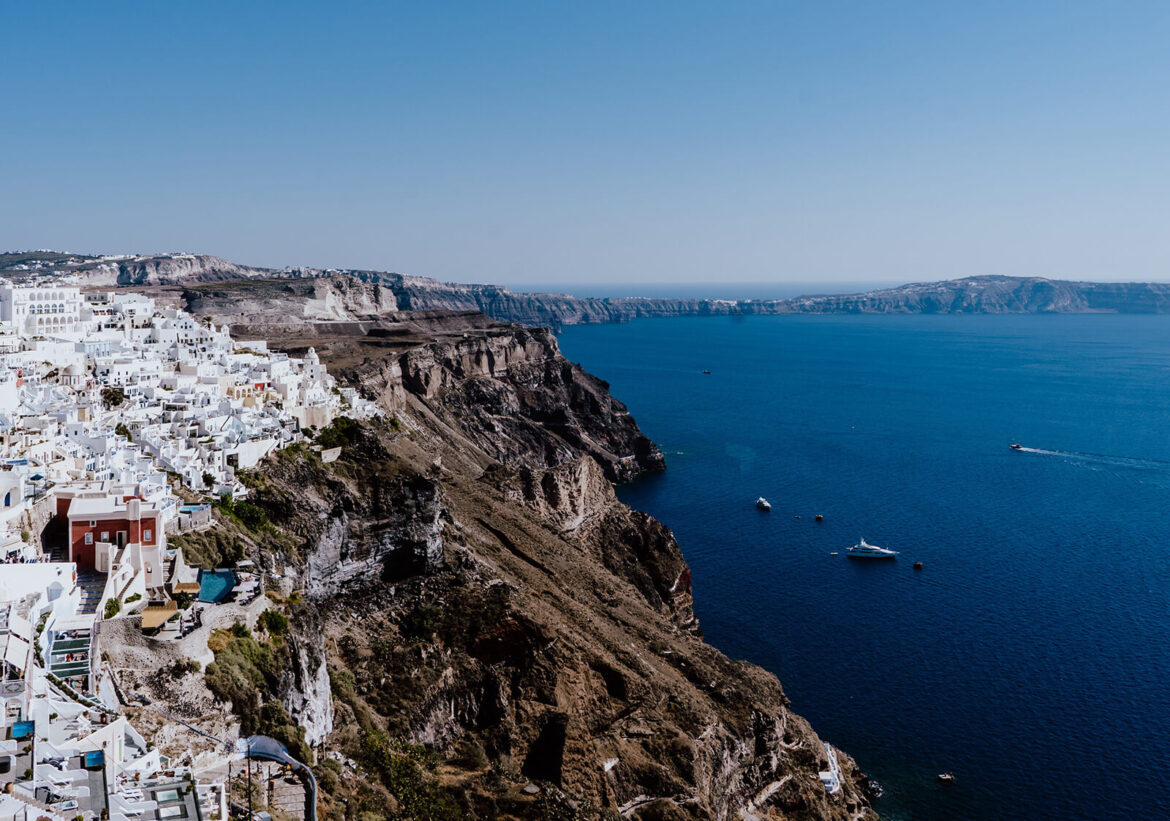
Perched on the eastern slopes of Mount Pelion, with sweeping views that reach all the way to the Aegean Sea, Zagora is far more than a mountain village. It is an experience shaped by nature, history, and a way of life that still moves at a human rhythm. Stone-paved alleys, old mansions, and the scent of apples and chestnut trees create an atmosphere that feels both grounded and quietly poetic.
Zagora Pelion has managed to preserve its traditional identity while gently adapting to the needs of modern travelers. It is a destination that offers calm without isolation, authenticity without discomfort, and beauty without effort. Each season reshapes the landscape, turning the village into a living canvas of changing colors and textures.
Zagora
Spring brings blossoms and soft green tones across the hillsides. Summer deepens the forests and opens the paths toward the sea. Autumn transforms the surroundings into warm shades of gold and red, while winter introduces a quiet stillness that highlights the mountain character of the region. Life here is closely tied to nature’s rhythm, and visitors often find themselves adjusting naturally to it.
In recent years, accommodation options in Zagora have evolved in a subtle, respectful way. Many traditional homes have been carefully converted into welcoming rental rooms, offering stays that reflect the architecture and spirit of Pelion. These are not impersonal spaces; they often carry the warmth of local hospitality, where simplicity and comfort coexist naturally.
At the same time, platforms like Airbnb have broadened the range of lodging experiences available in the area. Restored stone houses overlooking the mountains or the sea, small cottages hidden among greenery, and renovated village residences offer a wide selection of short-term rentals. Each property carries its own identity, allowing guests to experience Zagora not as outsiders, but as temporary residents of the village.
For travelers who prefer more structured planning, Booking hotels provides an easy way to explore accommodation options both in Zagora and the wider Pelion region. Although the village itself remains traditionally oriented, nearby areas expand the possibilities, ensuring that visitors can find stays suited to different preferences and budgets.
The idea of an accommodation city center in Zagora does not resemble an urban core in the conventional sense. Instead, it refers to the heart of village life around the central square, where daily activity unfolds under the shade of plane trees. Cafés, small shops, and gathering spots create a living center that blends social interaction with everyday simplicity.
Across the region, apartments for rent have become an increasingly popular choice, especially among families and couples seeking independence during their stay. Fully equipped spaces with kitchens, balconies, and views of either the forest or the sea offer flexibility and privacy. This type of accommodation allows travelers to shape their own pace, which fits naturally with the relaxed atmosphere of Pelion.
The growth of short-term rentals has contributed to the revival of many older homes, giving them new life without altering the architectural character of the village. Instead of large-scale tourism development, Zagora has embraced a more organic form of hospitality, where existing structures are preserved and adapted rather than replaced.
While there are no large resort complexes dominating the area, several hotels in the wider region provide additional options for visitors. These establishments tend to be smaller and family-run, emphasizing personal service and a close connection to local traditions. Even in more organized settings, the sense of place remains strong, rooted in materials, cuisine, and landscape.
Daily life in Zagora unfolds slowly and intentionally. Mornings begin with soft light filtering through chestnut forests and illuminating stone courtyards. Midday brings warmth and quiet, often inviting rest or short excursions toward nearby beaches hidden along the eastern coast of Pelion. Evenings are marked by a calm atmosphere, where conversations, local flavors, and mountain air blend into a peaceful rhythm.
Nature is one of the strongest reasons travelers are drawn to Zagora. Walking trails extend through dense forests, opening occasionally to breathtaking viewpoints over the Aegean Sea. The combination of mountain terrain and coastal proximity creates a rare geographical balance, allowing for both hiking and swimming within a single day’s journey.
The local gastronomy adds another meaningful layer to the experience. The area is particularly known for its apples, which are deeply integrated into both the economy and culinary traditions. Small tavernas and family-run eateries serve dishes based on seasonal ingredients, olive oil, herbs, and locally produced goods. The food is simple, honest, and closely tied to the land.
Zagora Pelion is not a destination designed for fast tourism or packed itineraries. It is a place that invites visitors to slow down, observe, and reconnect with a more natural sense of time. Whether staying in a traditional guesthouse, a modern Airbnb-style home, or a more structured hotel nearby, the essence of the experience remains consistent: closeness to nature and authenticity of place.
In a world where travel is often rushed and fragmented, Zagora offers something increasingly rare. It does not seek to impress through scale or spectacle. Instead, it quietly reveals itself through landscapes, sounds, and small everyday moments. And perhaps that is what makes it truly memorable—it does not ask to be discovered quickly, but experienced slowly.