



On the eastern slopes of Mount Pelion, where dense greenery cascades toward the Aegean Sea and the horizon seems to breathe through the clouds, lies Pouri. A small village that does not try to impress, yet manages to remain unforgettable precisely because of its authenticity. Pouri is one of those rare places that cannot be consumed quickly—it must be experienced slowly, like a story unfolding step by step.
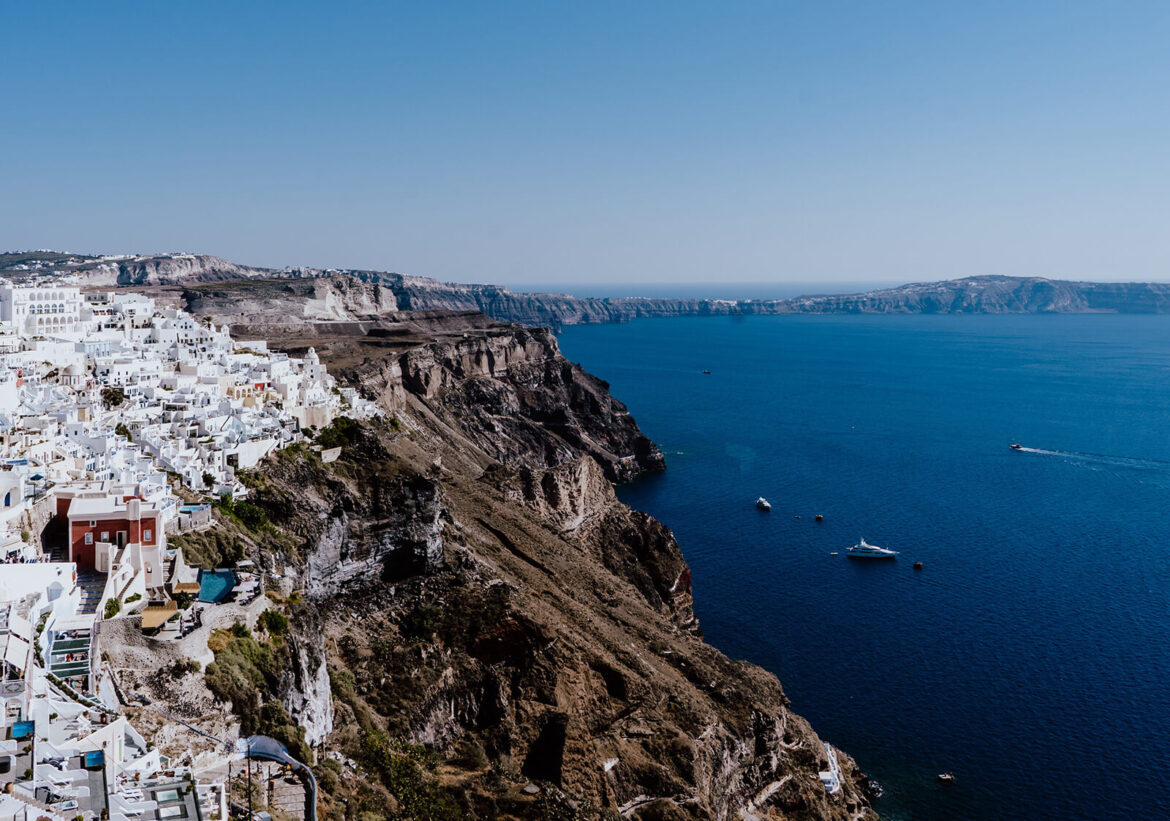
The first impression is almost cinematic. Stone houses are scattered across the hillside, narrow paths disappear into chestnut and beech forests, and beyond everything stretches the deep blue of the Aegean. Pouri feels like a suspended point between two worlds: mountain and sea, earth and light. This duality defines its identity more than anything else.
Pouri
Life in the village follows a rhythm that feels almost forgotten. There is no rush here, no noise competing with the natural flow of the landscape. Mornings often begin with mist rolling through the trees, afternoons are filled with filtered sunlight, and evenings settle into a silence that feels alive rather than empty. Time does not disappear in Pouri—it stretches and softens.
The village has preserved its traditional character with remarkable consistency. Houses built from stone and wood follow the architectural style of Pelion, many of them carefully restored without losing their original soul. There is no sense of artificial modernization here. Instead, everything feels naturally placed, as if the village has grown slowly into its surroundings over centuries.
Visitors who arrive in Pouri are usually not looking for fast-paced tourism. They come in search of something quieter—connection with nature, simplicity, and space to breathe. From the village, walking paths lead through dense forests of chestnut and beech trees, opening occasionally to breathtaking viewpoints over the Aegean Sea. Each trail feels like a gentle discovery rather than a destination.
One of the most striking features of Pouri is its proximity to the sea despite its mountain setting. Within a short drive or hike, visitors can reach the eastern coastline of Pelion, where beaches remain relatively untouched and the water is clear and calm. This rare combination of mountain air and sea breeze gives the area a unique balance that defines the overall experience.
Accommodation in Pouri remains simple and deeply connected to the village’s identity. Small guesthouses and traditional stays offer hospitality that is warm and personal rather than commercial. Instead of large resorts or crowded facilities, visitors find quiet spaces where the focus is on comfort, authenticity, and human connection.
In recent years, more travelers have discovered alternative ways to stay in the area. Carefully restored homes listed through platforms like Airbnb blend traditional architecture with subtle modern comfort, allowing guests to experience village life in a more independent way. Still, even these stays maintain the spirit of Pouri: calm, grounded, and closely tied to its surroundings.
The local gastronomy reflects the same philosophy. Simple dishes made with regional ingredients—chestnuts, apples, herbs, and fresh produce from nearby farms—form the basis of everyday cooking. Meals are not designed to impress through complexity but to connect directly with the land. In Pouri, flavor is inseparable from place.
Perhaps what defines Pouri most is its sense of stillness. It is not a destination built around attractions or activities, but around atmosphere. The sound of wind through the trees, the shifting light across the slopes, the distant view of the sea—all of these elements create a feeling that is subtle yet deeply lasting.
In a world where travel is often fast and structured, Pouri Pelion offers something different. It invites visitors to slow down, to observe, and to simply exist within the landscape. There is no need to rush through it, because its beauty reveals itself gradually.
And that is perhaps the essence of Pouri: it does not ask for attention, yet it stays with you long after you leave.